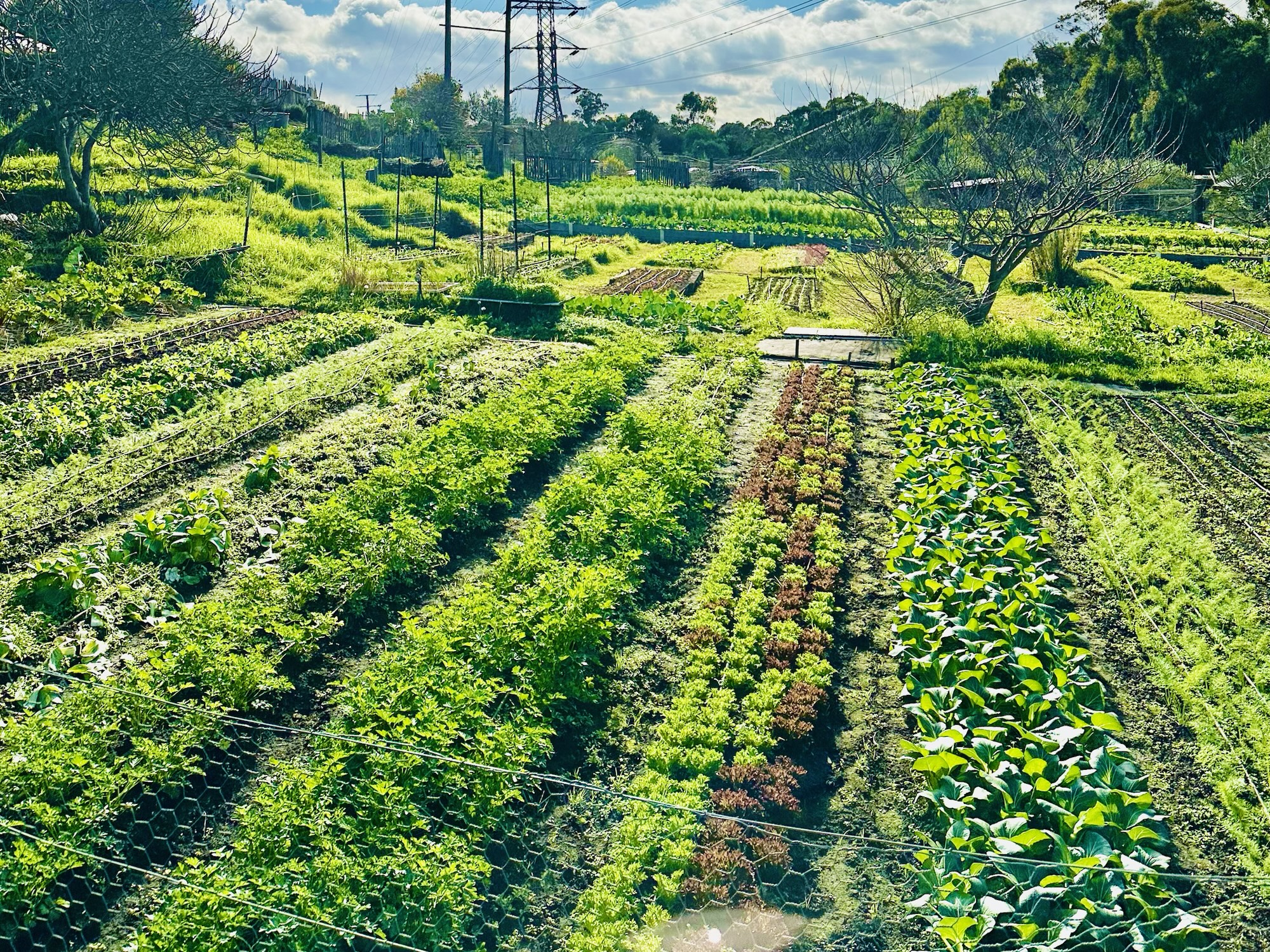
I’m by no means an upright ecowarrior. But over the years, through disparate sources and experiences, I’ve become very interested in how people approach their impact on the planet. This has included a week living in a simple ecolodge in Ecuador whose owners cultivate the land using permaculture principles, discovering Alice Waters and her incredibly simple but powerful approach to food through Masterclass, reading Kim Stanley Robinson’s ‘Ministry for the Future’, Bill Gates’ ‘How to Avoid a Climate Disaster’, the incredible docuseries ‘Omnivore’ by Noma founder René Redzepi, and paltry attempts to cultivate organic parsley and coriander on our south-facing balcony in East Melbourne (photos of gardening outcomes emphatically not supplied).
We consume. It’s very, very hard to do so in a way that’s not unsustainably extractive, let alone regenerative and antifragile. But it’s possible. The most exposure I have to regenerative living are through the eggs I buy (like the ones Honest Eggs make here in Australia). Fewer than 190 hens per hectare, treated as ecosystem engineers, moving across land improving soil, biodiversity and animal welfare. They’re more expensive no doubt, but my gosh, are they delicious both in taste and impact.
I’d like more touchpoints in my life that are regenerative in some shape or form. There are projects to watch and learn from, such as Microsoft data centres heating water for thousands of residents nearby, universities researching regenerative agriculture, and food hubs offering produce and education to laypeople. There’s also financing that rewards ecological gains, much like the system explored in Ministry for the Future (a book I’d highly recommend to anyone keen for a meticulously researched, fun ecothriller).
But this is just the tip of the melting iceberg. I’m keen to learn more about the inertia, transitory costs in various industries, challenges of measuring success, and the huge talent and knowledge gaps. From my limited experiences, conversations, self-education on the vast universe of regenerative thinking, the challenges seem gargantuan, but so do the opportunities for truly sustainable growth and living.
Leave a Reply